Why CBD for Muscle Relief Is Worth Adding to Your Recovery Routine
For anyone who trains hard, stands on their feet all day, or lives with the kind of persistent ache that sleep alone cannot fix, muscle soreness is a familiar companion. I have spent years trying different approaches - ice baths, foam rollers, magnesium rubs, even old-school liniments that smell like a pharmacy from the 1950s. Each has its place. But the one that has quietly changed my recovery habits is a simple, plant-based compound that more people are turning to: CBD for muscle relief.
CBD, short for cannabidiol, is a compound found in hemp and cannabis plants. Unlike its more famous cousin THC, CBD will not get you high. What it does offer is a gentle, anti-inflammatory effect that targets sore muscles without the side effects of oral pain relievers. I started using a topical balm made with whole plant extract a few years ago after a long-distance cycling event left my quads feeling like they had been tenderized. Within twenty minutes of applying the balm, the deep, throbbing sensation in my thighs began to ease. It was not a miracle - I still needed rest and protein - but it was real, noticeable relief.
That experience led me to dig deeper into how CBD works on muscle tissue. The answer lies in the endocannabinoid system, a network of receptors throughout the body that helps regulate pain, inflammation, and recovery. When you apply a CBD-infused topical directly to sore skin, the cannabidiol interacts with those local receptors without entering the bloodstream in large amounts. This transdermal delivery is the reason why a balm or salve can feel targeted and fast-acting. You are not waiting for digestion or dealing with a systemic effect that might make you drowsy. You are treating the muscle directly.
Over the following months, I swapped my standard post-workout ointment for a small batch CBD balm. The difference was subtle but consistent. My recovery time between heavy lifting sessions shortened. The low-grade chronic pain I had carried in my lower back for years began to fade. I noticed that I was not reaching for over-the-counter painkillers as often. The balm became a staple in my gym bag and later in my bathroom cabinet.
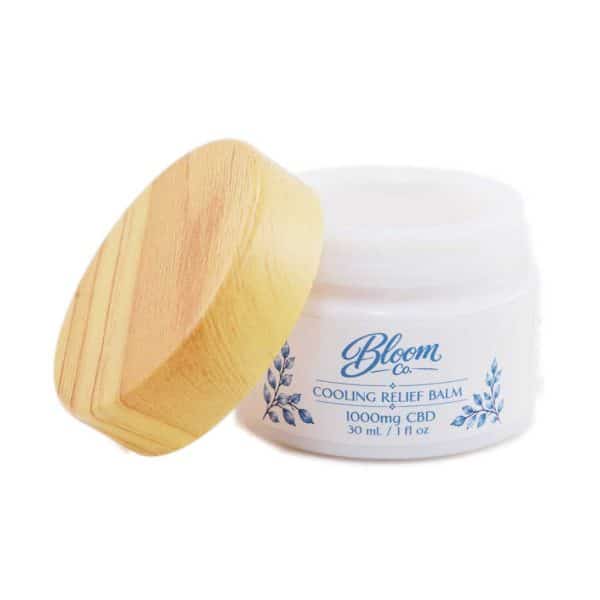
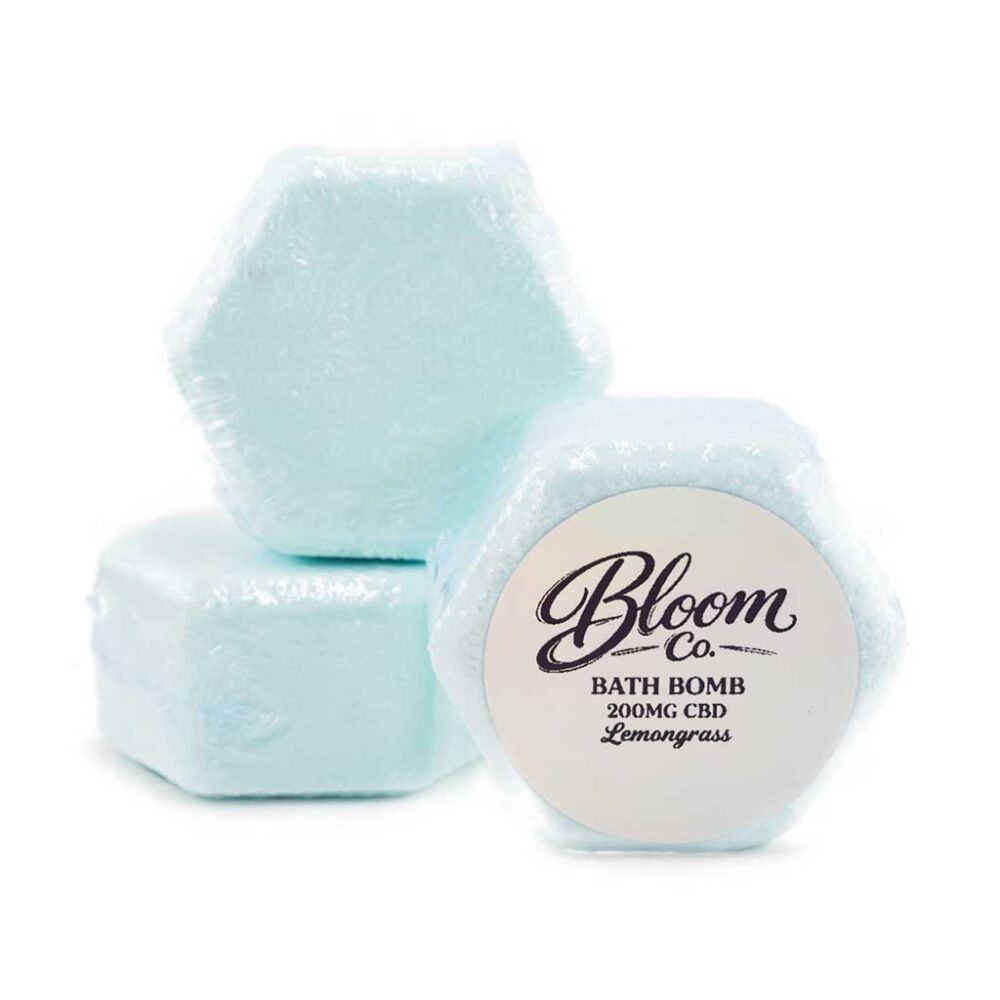
One of the most practical things about using CBD for muscle relief is the variety of formats available. A balm or salve is ideal for spot treatment on shoulders, knees, or the lower back. The texture is thick enough to stay where you put it, and the ingredients often include complementary botanicals like menthol, camphor, or essential oils that add a cooling or warming sensation. For bigger areas like the thighs, hamstrings, or full back, a lotion or cream works better. Some people prefer a bath bomb infused with CBD after a long week. The warm water helps the compound absorb through the skin while the aromatherapy from the bath bomb calms the nervous system. It is a two-for-one: physical relief for the muscles and mental relaxation for the mind.
The Science Behind Topical CBD and Muscle Recovery
Research into topical CBD is still growing, but the early evidence is promising. Studies suggest that cannabidiol reduces inflammation by interacting with receptors in the endocannabinoid system that control pain signaling. In practice, this means that a well-made topical can help manage the inflammation that follows intense exercise or repetitive strain. It is not a cure for injury, but it can make the difference between a painful recovery and a manageable one.
I have also found that consistency matters more than potency. A high-quality balm used three or four times a week yields better results than an expensive one used only after an injury. The compound seems to work best when the endocannabinoid system is given a steady, low-level input rather than an occasional blast. That is why I recommend keeping a small tin of balm in your bag and using it as part of your normal cooldown routine, not just when you are already in pain.
What to Look for in a CBD Topical
Not all CBD topicals are created equal. The market is full of products that list CBD on the label but contain mostly carrier oils and fragrance. Here are a few things I have learned to check:
- Look for products made with whole plant extract rather than isolate. Whole plant extract contains other cannabinoids and terpenes that work together to enhance the effect.
- Check that the product is labeled as a small batch or third-party tested. This ensures the amount of CBD on the label matches what is actually in the balm.
- Pay attention to the base ingredients. A balm made with beeswax, shea butter, or coconut oil will absorb better than one with mineral oil or synthetic thickeners.
- Avoid any product that claims to cure or diagnose. Real CBD for muscle relief is about managing discomfort, not pretending to be a pharmaceutical.
When I first started looking for a reliable source, I came across a site called kushstation.co that focuses on CBD-infused topicals including balms and bath bombs for wellness and relief. Their approach is straightforward: small batches, clear labeling, and a focus on wellness rather than hype. That kind of transparency matters in an industry where quality varies wildly.
Practical Tips for Using CBD Topicals
If you are new to CBD topicals, start with a small amount. Rub the balm or salve into the muscle area that feels sore or tight. Give it five to ten minutes to absorb before covering it with clothing. The effects usually build over fifteen to thirty minutes and can last for several hours. I typically apply it after a shower, when the pores are open and the skin is clean.
For people dealing with chronic pain conditions like arthritis or tendonitis, the balm can be applied twice daily. The compound does not build tolerance in the way that some pain medications do, so you can use it regularly without needing to increase the dose. That is a major advantage for long-term management of inflammation and discomfort.
One thing I have noticed: CBD topicals work best when combined with other recovery practices. Stretching, hydration, and adequate sleep all support the endocannabinoid system. The balm is not a standalone fix, but it is a powerful tool in a broader wellness routine. I have also used bath bombs after particularly hard weeks, and the combination of warm water, aromatherapy, and infused CBD creates a recovery experience that goes beyond what a simple balm can do. It is more about resetting the nervous system than spot-treating a muscle, and that can be just as valuable.

The Verdict: Worth Trying for Anyone Who Moves
After years of experimenting with various muscle recovery products, I can say that CBD for muscle relief is not a fad. It is a legitimate option for people who want to manage soreness and inflammation without relying on oral painkillers or harsh chemical rubs. The key is to choose a quality product, use it consistently, and pair it with the basics of good recovery: rest, nutrition, and movement.
If you are curious, start with a small balm and use it after your next intense workout. Pay attention to how your muscles feel an hour later and again the next morning. The difference might be subtle at first, but over time, it adds up. That is the real value of topical CBD: it is not about quick fixes, but about supporting the body's own ability to heal and recover.